All about Ceremony

Ancient Traditions, Maya Cosmology & Modern Ceremonies
Archaeology, historical records and cultural research

Understanding cacao

Cacao has a history spanning thousands of years. Archaeological remains, painted vessels, hieroglyphic inscriptions and historical accounts reveal its importance as a beverage, food, offering and valuable object of exchange.

Its ceremonial significance is well established. However, the internationally popular wellness gathering now called a “cacao ceremony” should not be presented as a faithful reproduction of an ancient Maya practice. Contemporary ceremonies combine elements whose histories and purposes differ from the ancient settings in which cacao was prepared, offered and consumed.

Understanding these differences begins with the evidence: what has survived, what researchers can establish and what remains uncertain.

Historically

Ancient Origins: Cacao Before the Maya

Cacao’s history reaches beyond Mesoamerica into the upper Amazon.

At Santa Ana–La Florida in south-eastern Ecuador, researchers identified cacao use dating back approximately 5,300 years. Their findings combined three types of evidence: cacao starch grains, theobromine residues and ancient DNA recovered from archaeological materials.

Published in Nature Ecology & Evolution in 2018, this research established a much earlier history of cacao use in South America than had previously been securely documented.

It establishes that cacao was being used. It does not provide a complete account of how those people understood the plant, or a ceremony that can be reconstructed and practised today.

Different aspects

Cacao Has Many Cultural Histories

“Ancient cacao lineage” can sound as though there was one tradition, passed down through a single continuous chain. The evidence instead reveals different peoples using cacao across different regions and periods.

Evidence from an Ecuadorian archaeological site, a Classic Maya drinking vessel and a later Indigenous community describes distinct cultural settings. These cannot automatically be combined into one tradition.

The same applies to modern sourcing. Where cacao grows and the lineage of a ritual are separate questions. A product’s geographical origin alone cannot establish that a ceremony associated with it belongs to an ancient tradition.

Cacao Sito

Cacao in Maya Cosmology

Cosmology, sometimes called cosmovision, describes how people understand the universe and humanity’s place within it.

Maya worldviews connect agricultural cycles, celestial movements, ancestors, deities and human responsibilities. The Smithsonian’s Living Maya Time, which includes contemporary Maya voices, explains the importance of cyclical time and relationships between Earth and sky.

These are diverse, living traditions. “Maya cosmology” should not be treated as one fixed belief system shared identically by all Maya peoples across history.

Maize, life and regeneration

Maize occupies a central position in Maya accounts of human origins. The Popol Wuj, a K’iche’ Maya text recorded in the sixteenth century, describes the successful creation of humans from maize.

This is an important distinction when discussing cacao: cacao’s significance belongs within a broader cultural world in which maize, agriculture, ancestors and divine relationships are fundamental.

Cacao also appears in imagery associated with the Maize God. The Metropolitan Museum’s research connects this deity with cacao, agricultural abundance, death and regeneration. An Early Classic vessel at the Walters Art Museum depicts the Maize God in the form of a cacao-bearing tree.

These objects demonstrate religious and symbolic associations. They do not establish an ancient equivalent of today’s guided “heart-opening” cacao session.

Cacao and divine offerings

The surviving Dresden Maya Codex provides another source. The manuscript’s custodian, SLUB Dresden, identifies scenes of deities with cacao vessels and accompanying references to cacao as a divine harvest.

Such material places cacao within relationships between people, nourishment and divine powers. Its religious meaning extended beyond the personal wellbeing of the person drinking it.

Drinking, feasting and hospitality

What Cacao Was Used For

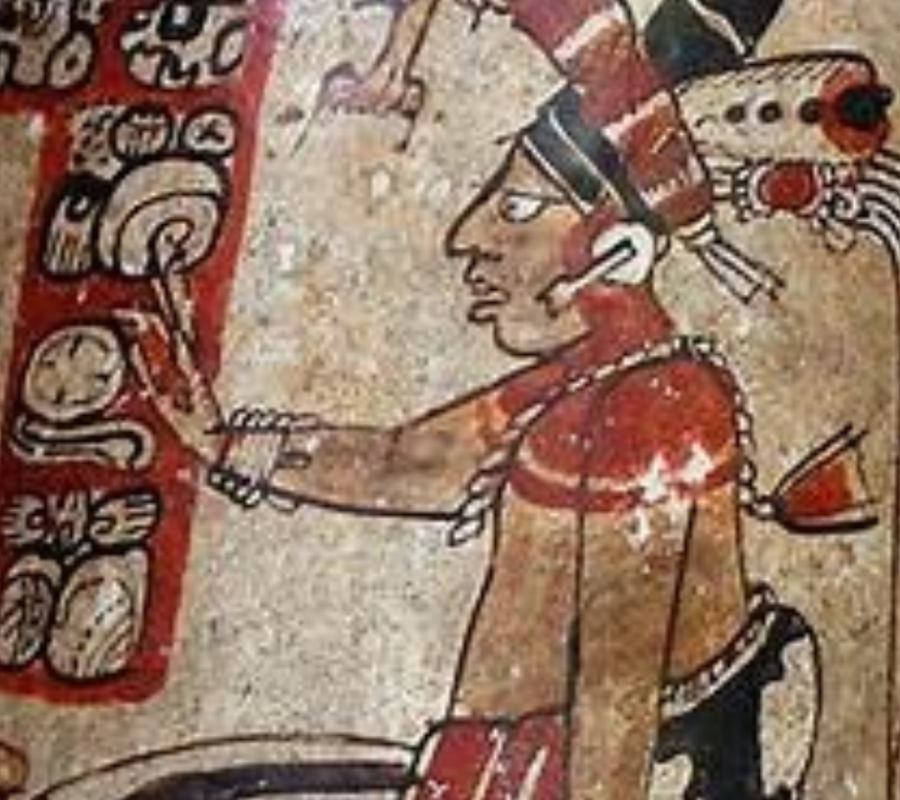
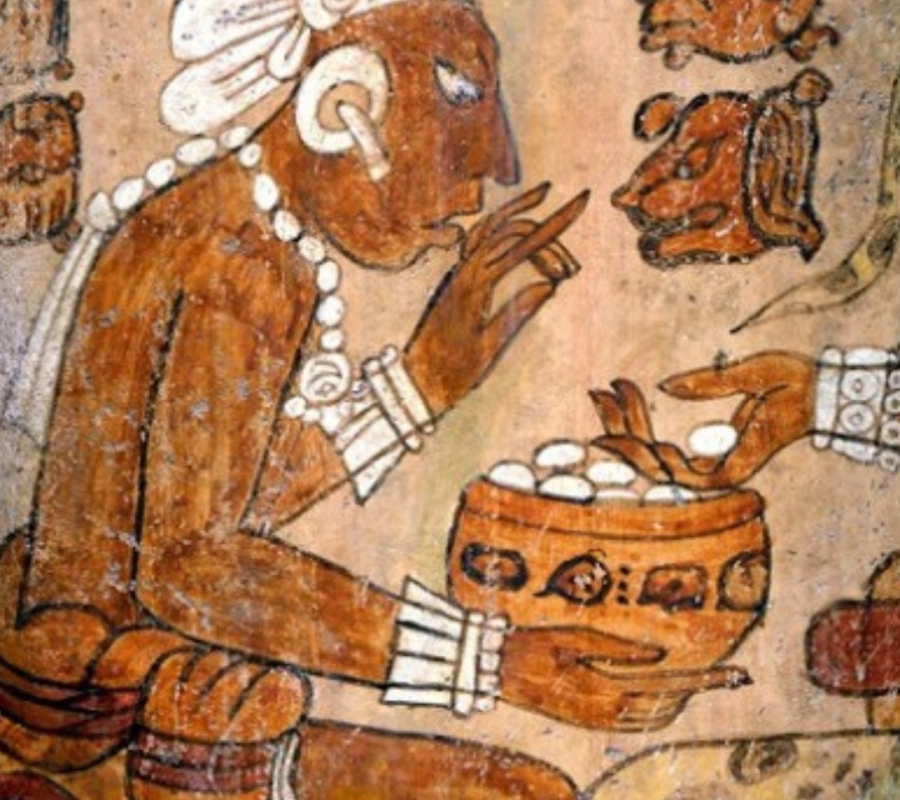
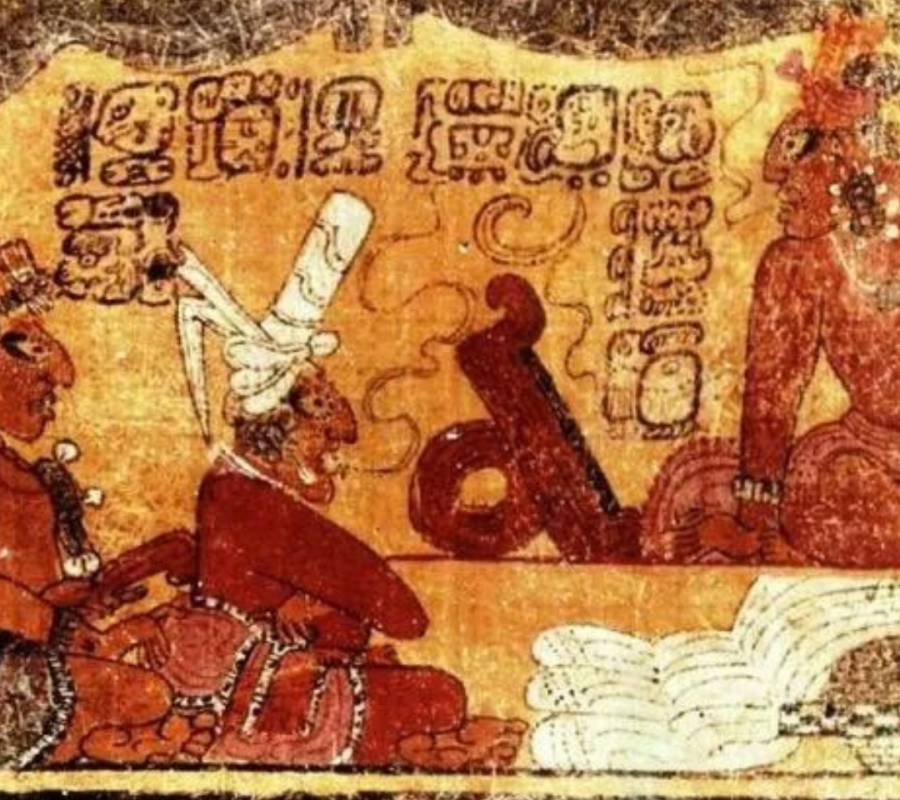
Classic Maya vessels provide evidence of cacao in courtly and social settings. Painted scenes show elaborate drinking vessels and the preparation of foamed beverages.

The Metropolitan Museum describes large vessels used to receive cacao poured from above to produce foam. Other vessels were associated with feasting and gift exchange. Cacao drinking could therefore participate in hospitality, political relationships and displays of status.

Marriage and social commitments

Cacao also appeared in marriage traditions. Penn Museum describes the preparation and offering of a foamy cacao drink by a bride to her groom as part of marriage ritual in parts of Mesoamerica.

Here, preparing and sharing cacao helped mark a significant relationship. It was incorporated into the event itself, rather than necessarily being served as refreshment afterwards.

Burial and the dead

In a mortuary cave in southern Belize, archaeologists recovered a bowl containing five cacao seeds dating to the fourth or fifth century CE.

Researchers interpreted the deposit as potentially representing an important possession of the deceased or sustenance for passage into the afterworld. The physical discovery is clear; its precise spiritual meaning remains an interpretation informed by its context and other sources.

Agricultural and protective rituals

Ethnographic research published in Estudios de Cultura Maya documents cacao in agricultural offerings and protective rituals among Maya communities in Yucatán.

Recorded uses included ground cacao added to ceremonial beverages and cacao seeds placed in particular locations during protective rites. The same research describes chocolate prepared for wakes, prayers and commemorations of the dead.

These examples show that ceremonial cacao use could involve seeds, offerings and preparations beyond a cup consumed by participants.

There was no universal ancient cacao recipe.

Documented Mesoamerican preparations included combinations with maize, chilli, flowers, vanilla or honey. Drinks could be served at different temperatures, and foam was an important feature of some preparations.

The familiar contemporary serving of pure cacao paste mixed with hot water therefore represents one preparation among many possibilities. It should not be assumed to reproduce what every ancient community drank.
New age

The Emergence of Modern Cacao Ceremonies

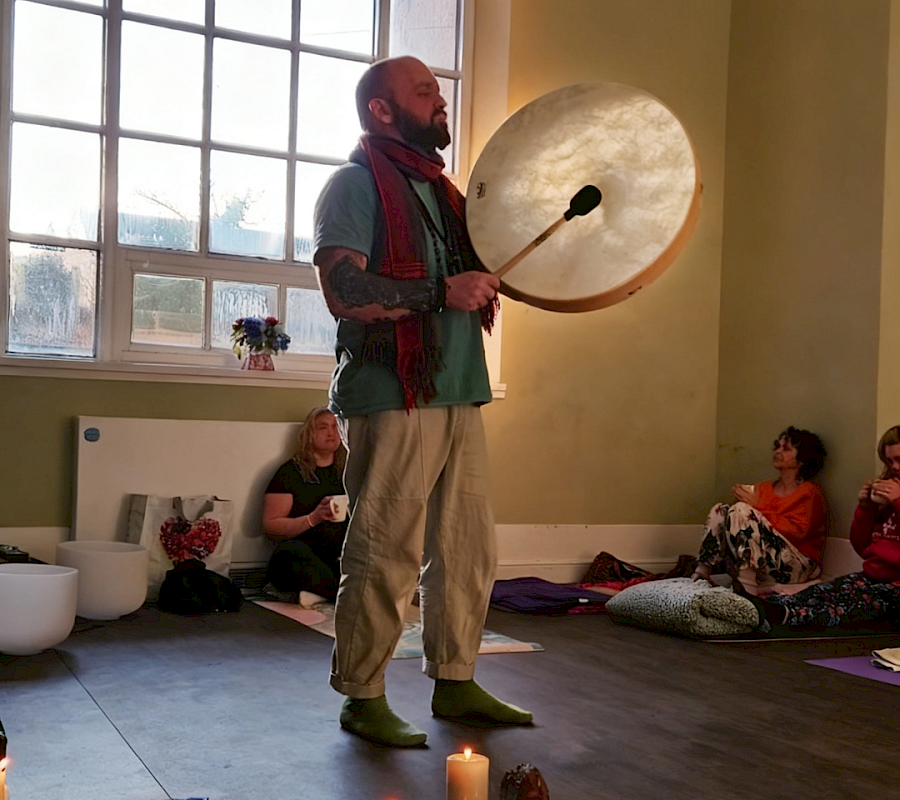
Contemporary wellness ceremonies frequently centre on personal intention, emotional expression, meditation and an individual relationship with cacao. Depending on the facilitator, they may incorporate breathwork, sound, yoga or ideas drawn from several spiritual traditions. Independent academic research examines these gatherings as a contemporary development.

Taylor Burby’s 2021 University of Oregon thesis studied modern cacao ceremonies through ethnographic observation, interviews, online material and surveys of 118 participants. It describes the emergence of ceremonies combining spiritual traditions and emphasising personal healing, embodiment and relationships with a cacao spirit.

This research documents contemporary beliefs and experiences. It does not authenticate those beliefs as ancient Maya teachings or establish their therapeutic claims as medical facts.

Academic discussion also identifies Keith Wilson’s gatherings in Guatemala as an influential route through which this modern form reached international visitors and wider wellness networks. Accounts differ over the precise chronology, so assigning a single definitive invention date would be too certain. The broader distinction is clearer: this internationally circulating wellness format developed recently.

Proven information

Research and Studies

The sources below include archaeological research, museum scholarship, Indigenous cultural interpretation and academic research on contemporary ceremonies. Cacao sellers’ accounts have not been used as historical authorities for this page.